The Ultimate Guide to Grocery Delivery Services
 |
| The Ultimate Guide to Grocery Delivery Services |
Introduction: The New Way We Shop for Groceries
Think about the last time you shopped for groceries. Did you push a cart down aisles, juggling a list, coupons, and your phone — or did you scroll through a mobile app while sitting on your couch?
Chances are, it’s the latter — and that shift is no coincidence. Grocery delivery has transformed from a luxury to a mainstream necessity. The convenience of having your favorite snacks, essentials, and even fresh produce delivered straight to your door isn’t just about saving time — it’s about simplifying life.
From busy professionals to families juggling multiple schedules, millions of shoppers now depend on grocery delivery services. But not all platforms are built the same, and understanding how they work, what to look for, and how to make the most of them can make all the difference.
This ultimate guide breaks it all down — from how these services operate to the best ways to save money and stay stress-free.
Key Takeaways
Grocery delivery is revolutionizing how people shop — blending convenience, time savings, and customization.
The right service depends on factors like delivery speed, selection, budget, and personal preferences.
Subscription models, local vs. national services, and sustainability practices all play a role in choosing the best option.
Technology, automation, and personalization are shaping the next wave of grocery shopping experiences.
Understanding hidden fees, app usability, and delivery logistics can help you make smarter, more cost-effective decisions.
1. Why Grocery Delivery Has Become So Popular
The rise of grocery delivery isn’t just about convenience — it’s a reflection of how modern life is evolving. Here are the top reasons people are making the switch:
Time Efficiency: No more driving, parking, or waiting in lines.
Health & Safety: Especially post-pandemic, many still prefer contactless options.
Customization: Save your favorite items, reorder with one tap, and even track deliveries in real time.
Accessibility: Seniors, people with disabilities, and parents with young kids find it especially helpful.
Technology Integration: Smart recommendations, app-based payments, and AI-driven shopping lists make the process smoother.
In short, it’s about reclaiming your time while still getting what you need — fresh, fast, and personalized.
2. The Benefits and Drawbacks of Grocery Delivery
No service is perfect. Let’s break down both sides.
Pros
Saves hours every week
Reduces impulse buys
Offers digital coupons and loyalty rewards
Great for bulk or recurring orders
Supports meal planning and budgeting
3. Choosing the Right Grocery Delivery Service
The “best” grocery delivery service depends entirely on your needs. Here’s what to evaluate:
a. Delivery Area and Availability
Not every service covers every region. Check coverage before you sign up or subscribe.
b. Cost and Fees
Compare service fees, delivery charges, and subscription costs. Some platforms charge per order, while others offer monthly plans.
c. Product Range
Do you prefer organic produce? Specialty foods? International ingredients? Choose a service that caters to your preferences.
d. Delivery Speed
Some apps promise delivery within an hour, while others focus on scheduled drop-offs. Speed may affect cost.
e. App Experience and Support
An intuitive app with real-time updates, clear substitutions, and easy refunds can make a huge difference.
f. Return and Refund Policies
Mistakes happen — ensure the service offers prompt refunds or replacements for damaged or missing items.
4. How to Save Money on Grocery Delivery
Even though it’s convenient, delivery costs can add up. Here’s how to keep it budget-friendly:
Use Free Trial Periods: Many platforms offer free deliveries for the first month.
Subscribe Strategically: If you order frequently, a monthly plan may save you more in the long run.
Stack Coupons and Rewards: Combine app offers, promo codes, and credit card rewards.
Plan Weekly Orders: Larger, less frequent orders reduce service fees.
Avoid Peak Times: Delivery fees can surge during high-demand periods.
With smart timing and planning, you can make grocery delivery just as cost-effective as shopping in-store.
5. Sustainability and the Future of Grocery Delivery
 |
| Sustainability and the Future of Grocery Delivery |
As demand grows, so does the conversation about environmental impact. Delivery trucks, packaging, and food waste all contribute to the carbon footprint.
Here’s what leading services are doing to tackle this:
Eco-Friendly Packaging: Recyclable or reusable bags and containers.
Optimized Routes: AI-driven logistics that minimize delivery miles.
Local Sourcing: Reducing transportation distances and supporting local farmers.
Surplus Reduction: Discounting near-expiry items or donating unsold goods.
In the near future, expect more carbon-neutral options, drone deliveries, and even autonomous grocery drop-offs.
6. Insider Tips for a Smooth Delivery Experience
Double-check substitution preferences: Some apps default to automatic replacements.
Track your order in real time: It helps you prepare for delivery and ensure safe handoff.
Tip fairly: Remember, your shopper often handles heavy bags and unpredictable weather.
Store perishables immediately: Don’t let items sit outside too long, especially dairy or frozen goods.
Keep notes for shoppers: Clear instructions (“green bananas only,” “no plastic bags”) improve accuracy.
7. The Role of Technology in Grocery Delivery
From voice assistants to AI recommendation engines, tech is redefining how we shop.
Personalized Algorithms: Predict your next order based on past purchases.
Smart Kitchen Integration: Devices that automatically reorder staples when you run low.
Inventory Transparency: Live stock updates prevent out-of-stock frustrations.
Delivery Automation: Robots and drones are slowly making same-day even faster.
The line between traditional grocery shopping and digital convenience is blurring — and that’s a good thing.
8. Common Mistakes to Avoid
Even seasoned users make slip-ups. Here’s what to watch for:
Forgetting to check delivery windows
Ignoring fees before checkout
Overlooking freshness dates
Missing out on loyalty programs
Skipping customer reviews
A few mindful checks can prevent frustration later on.
9. The Future of Grocery Delivery: What’s Next?
We’re only scratching the surface. In the next few years, expect:
Smarter Subscription Models: Predictive restocking tailored to household habits.
Hyperlocal Micro-Fulfillment Centers: Faster, smaller-scale delivery hubs near neighborhoods.
Sustainable Fleet Expansion: More electric and hybrid delivery vehicles.
Expanded Meal Integration: Blending groceries with pre-made meal kits.
AI-Powered Pricing: Dynamic discounts based on freshness, seasonality, and user behavior.
The next generation of grocery delivery will feel almost invisible — automated, intuitive, and incredibly fast.
10. How Grocery Delivery Is Changing Our Daily Lives
The impact of grocery delivery goes far beyond just convenience — it’s subtly reshaping how we plan meals, interact with food, and even manage family life.
Think about it: a decade ago, grocery shopping meant setting aside an hour or two, pushing a cart down aisles, standing in line, and then driving back home. Today, the process fits neatly into a lunch break or a quick moment between tasks. You can plan your weekly meals, compare prices, and have everything arrive at your door without leaving the house.
For many families, this shift has brought a new level of flexibility. Parents can schedule deliveries around nap times or after school; elderly individuals can access fresh groceries without relying on transportation; and urban professionals can focus on work or hobbies instead of standing in checkout lines.
There’s also a subtle emotional benefit — less stress. With busy schedules, even small conveniences like automatic reorder lists or same-day delivery reduce mental load. Many users say it helps them feel more “in control” of their week.
On the flip side, it’s also changing how we interact socially. For instance, spontaneous chats in supermarket aisles or discovering new local brands on shelves are less common. That’s why some modern delivery apps are now reintroducing “community” features — showcasing local farms, artisanal producers, or neighborhood store highlights to bridge that gap between digital and personal shopping.
As grocery delivery becomes an integrated part of life, it’s not just a matter of saving time — it’s redefining what “shopping” even means in the digital era.
11. Smart Strategies to Maximize Value from Grocery Delivery
If you’re already using grocery delivery regularly, you can take it from convenient to truly cost-efficient and optimized. Here’s how:
1. Build a Rotating Meal Plan
Create a simple 7-day meal rotation with staple ingredients. This helps you order in bulk, minimize waste, and use items before they expire.
2. Use Delivery Data to Budget
Most delivery apps store your order history — review it monthly to see where you overspend. This visibility makes budgeting and meal planning much easier.
3. Try Off-Peak Delivery Times
Some platforms charge less when you schedule deliveries for weekdays or mornings. A little flexibility in timing can add up to significant savings.
4. Support Local Partners
Many grocery delivery platforms now feature local bakeries, butchers, or produce markets. Supporting them not only boosts local business but often gives you fresher, more flavorful options.
5. Stay Alert for Price Fluctuations
Prices for groceries online can vary more frequently than in-store. Track your essentials — like milk, rice, or snacks — to spot price trends and buy during low-cost windows.
6. Mix and Match Services
You don’t have to stick to one app. Use different ones for different goals — maybe Instacart for variety, Walmart+ for affordability, and Amazon Fresh for bulk or recurring items.
7. Organize Delivery Days
Designate one or two delivery days per week. This helps you manage your fridge better, reduce packaging waste, and avoid overlapping orders.
8. Don’t Skip Feedback
Leaving ratings or notes after each order helps services improve — and often earns you discount codes or loyalty points.
12. The Social and Economic Ripple Effect
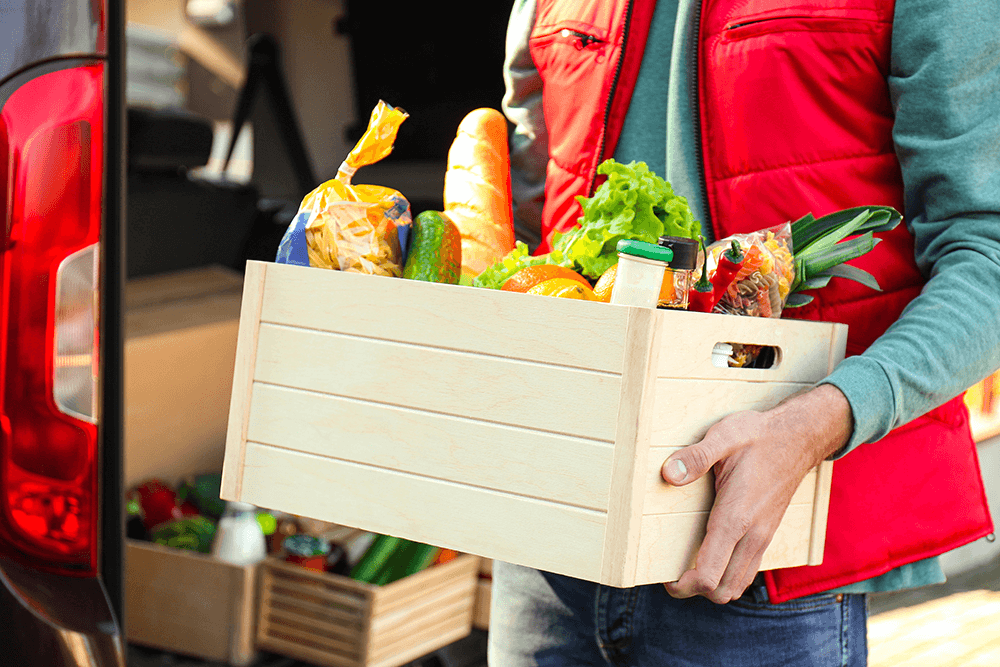
Beyond personal convenience, grocery delivery has sparked a quiet economic transformation. Thousands of part-time shoppers, delivery drivers, and logistics coordinators have found flexible income opportunities through this growing ecosystem.
At the same time, local stores that once relied solely on walk-in customers are now reaching wider audiences by partnering with delivery apps. Small grocers, ethnic food stores, and farmers’ markets have joined the online retail space — bringing diversity and accessibility to consumers who might not otherwise find them.
This digital marketplace isn’t just about algorithms and apps — it’s about inclusivity. Whether you live in a bustling city or a suburban neighborhood, grocery delivery helps bridge the accessibility gap, ensuring that everyone, regardless of mobility or time constraints, can access fresh, quality food.
As technology continues to evolve, expect to see even stronger ties between local economies and online convenience — a blend of community connection and digital innovation that benefits everyone.
 |
| The Social and Economic Ripple Effect |
Conclusion: Convenience Meets Conscious Choice
Grocery delivery isn’t just a modern convenience — it’s a lifestyle shift. It’s about reclaiming time, simplifying routines, and embracing technology that works for you. Whether you’re optimizing your weekly budget, choosing eco-friendly options, or simply avoiding traffic, the right service can truly elevate your daily life.
Remember: compare costs, explore free trials, and be intentional with your choices. A little research now leads to a lot more ease later.
Frequently Asked Questions
1. How do I choose the best grocery delivery service for my area?
Start by checking which platforms operate in your ZIP code, then compare prices, delivery speed, and app ratings.
2. Is grocery delivery more expensive than shopping in-store?
It can be slightly higher due to service fees and tips, but smart use of promotions and memberships can balance it out.
3. How fresh are items ordered through grocery delivery?
Most services have trained shoppers who pick produce carefully. Still, you can leave notes or preferences for quality control.
4. Can I schedule recurring grocery deliveries?
Yes! Many apps offer subscription or auto-reorder features for essentials like milk, bread, and snacks.
5. What’s the most eco-friendly way to use grocery delivery?
Opt for reusable bags, consolidated orders, and local-sourcing services that minimize travel distance.


Comments
Post a Comment